Spring Fire Damage Restoration Services From Local Contractors
Spring is a ideal time to connect with local contractors specializing in fire damage restoration to help property owners restore safety and value after damage.
Spring is often considered an ideal time to address commercial fire damage restoration projects, as the season encourages property owners to assess and refresh their buildings after the colder months. Warmer weather and longer daylight hours create a more conducive environment for thorough restoration work, allowing contractors to work efficiently and safely. Additionally, spring signals a period of renewal and planning, prompting businesses and property managers to prepare their facilities for the busy months ahead by ensuring safety and structural integrity through professional fire damage restoration services.
Typically, commercial fire damage restoration services encompass a range of essential tasks designed to return a property to its pre-fire condition. These services often include debris removal, smoke and soot cleanup, structural repairs, and deodorization. Restoration contractors may also provide specialized services such as electrical system assessment, content cleaning, and moisture control to prevent secondary damage. The goal of these services is to restore safety, functionality, and appearance, helping property owners minimize disruption and safeguard their investments after a fire incident.
When comparing local contractors for fire damage restoration, property owners should consider several factors to identify the best fit for their needs. It’s advisable to review the scope of services offered, experience with similar projects, and the methods used to handle fire and smoke damage. Gathering information about each provider’s reputation through references or reviews can offer insights into their reliability and quality of work. Additionally, understanding how each contractor approaches communication and project management can help property owners make informed decisions, ensuring they select experienced service providers capable of handling the complexities of fire damage restoration efficiently and effectively.
Compare local contractors’ expertise and priorities to plan effective spring fire damage restoration strategies.
- Assessment and Inspection - Local contractors can evaluate fire damage to determine the extent of restoration needed.
- Water Removal and Drying - Service providers use specialized equipment to extract water and dry affected areas efficiently.
- Soot and Smoke Cleanup - Professionals can remove soot and smoke residues from surfaces and air systems.
- Structural Repairs and Restoration - Local experts can repair and restore damaged structures to return spaces to their pre-fire condition.
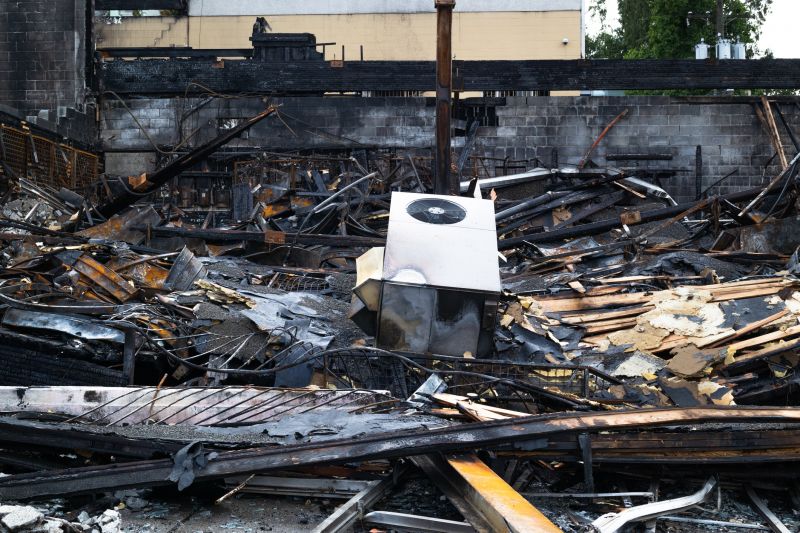
Start by clearly describing your fire damage restoration project to help local contractors compare options effectively.
- Inspect for residual smoke or soot damage on walls and ceilings - ensure that all affected surfaces are thoroughly checked for lingering fire residues.
- Evaluate structural integrity of affected areas - look for signs of warping, cracking, or compromised framing that may need repair.
- Check for water damage caused by firefighting efforts - identify areas where moisture may have led to mold growth or further deterioration.
- Assess electrical systems and wiring for damage or hazards - verify that electrical components are safe and functioning properly before restoration begins.
- Identify damaged or contaminated insulation and building materials - determine which materials need removal or replacement to ensure safety and proper restoration.
- Review ventilation and air quality concerns - consider the need for professional cleaning or air purification to remove smoke odors and airborne contaminants.
Use this to explore how local contractors can assist with spring-focused commercial fire damage restoration planning.
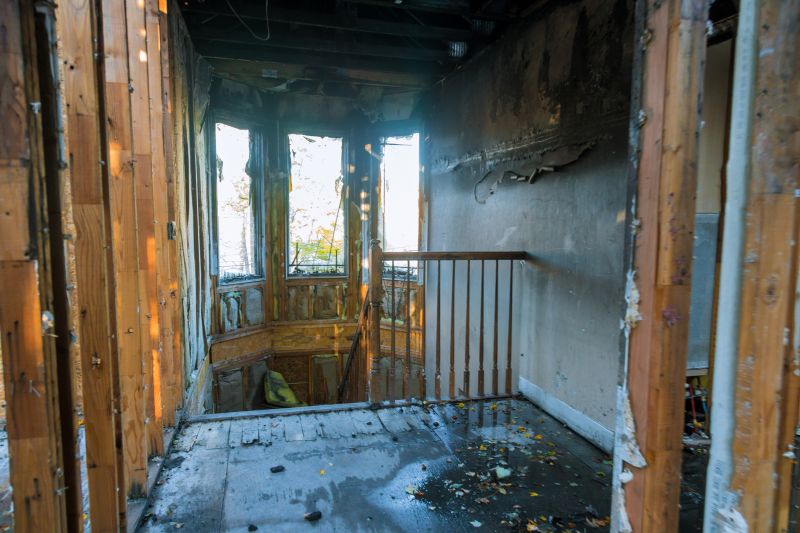
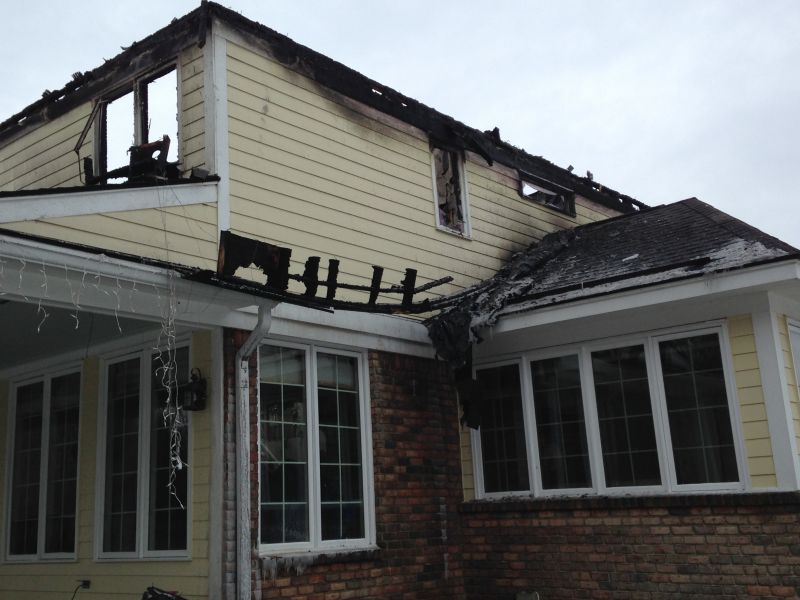
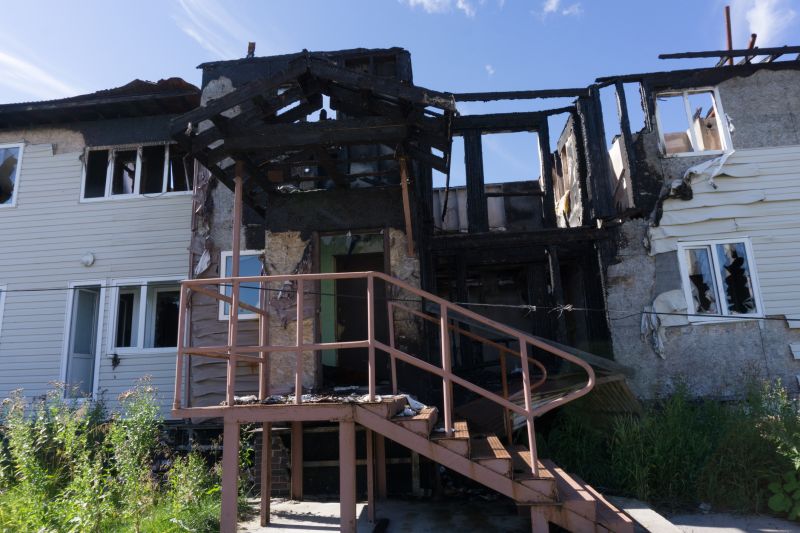
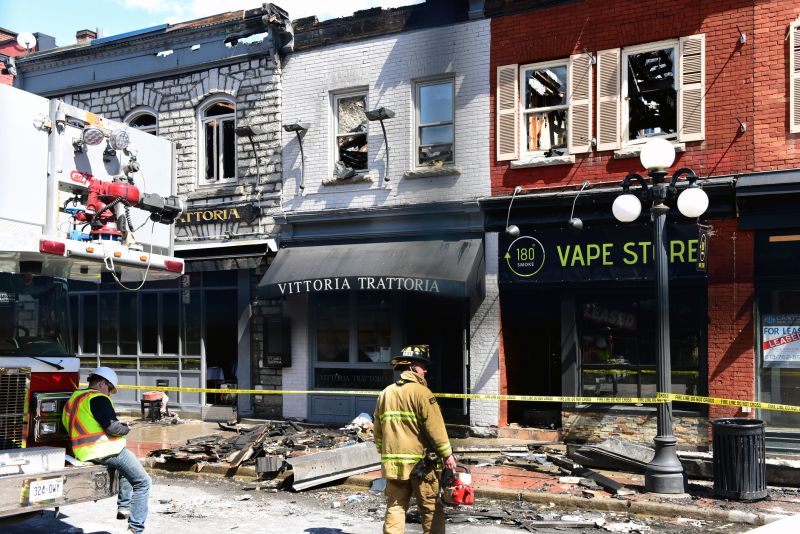
When planning your spring project, compare local contractors and set priorities to find the best fit for your needs.
- Assessing Damage - Spring is an ideal time for property owners to evaluate fire damage and plan restoration efforts with local contractors.
- Cleaning and Debris Removal - Seasonal cleaning projects can include removing soot and debris from commercial spaces, handled by experienced service providers.
- Structural Repairs - Spring projects often focus on repairing or replacing damaged structural elements to prepare for business operations.
- Odor Removal - Restoring a fresh environment may involve odor elimination services provided by local fire damage restoration specialists.
- Preventative Measures - Spring is a good time to implement fire prevention upgrades and safety improvements with qualified local contractors.
Use this scope builder to compare how local contractors approach commercial fire damage restoration consistently across providers.
- Assessment of Damage - Define the extent and severity of fire damage to determine necessary restoration steps.
- Structural Evaluation - Identify compromised building components that require repair or replacement.
- Content Inspection - Catalog affected items and determine which can be salvaged or need disposal.
- Safety Precautions - Establish safety protocols to protect workers and property during restoration.
- Restoration Scope - Outline the specific services and processes needed to restore the property to pre-fire condition.
When comparing service providers for commercial fire damage restoration during the spring season, it is important to consider the experience of local contractors with similar projects. Fire damage restoration can vary significantly depending on the size and nature of the property, as well as the extent of the damage. Contractors who have handled projects comparable in scope and complexity are more likely to understand the unique challenges involved and to deliver effective results. Gathering information about their past work on commercial properties during springtime can help identify those with relevant experience that aligns with the specific needs of the project.
A clear, written scope of work is essential for evaluating different service providers. A detailed scope outlines the specific tasks, materials, and methods that will be used to restore the property, providing clarity and setting expectations. When reviewing proposals or descriptions of services, look for providers who can articulate a comprehensive plan that addresses all aspects of fire damage, including smoke and soot removal, structural repairs, and odor mitigation. This transparency helps ensure that the restoration process is well-understood and that there are no surprises during the project.
Work planning considerations are especially important during the spring, when seasonal factors such as increased humidity and outdoor conditions can influence restoration efforts. Service providers should demonstrate an understanding of how spring weather might impact the restoration timeline and procedures. Consider whether they have a systematic approach to planning, including site assessments, scheduling, and coordination of various phases of work. A well-organized plan can help minimize delays and ensure that the project progresses smoothly, even when seasonal variables come into play.
Evaluating options without focusing on prices involves examining the experience, scope, and planning strategies of local contractors. Look for detailed descriptions of their past projects, their ability to provide a clear and comprehensive scope of work, and their approach to work planning. Asking questions about how they handle seasonal challenges and how they customize their services to fit the specific needs of a commercial property can also be helpful. By considering these factors, property owners can make informed decisions and select service providers best suited to restore their property effectively during the spring season.
Request written scope details to ensure clarity and consistency when planning your spring fire damage restoration.
- Scope of Fire Damage Restoration - What specific restoration services do local contractors provide for commercial fire damage?
- Comparing Service Offerings - How do different providers handle debris removal, structural repairs, and smoke odor mitigation?
- Assessment and Planning - How do local professionals evaluate the extent of fire damage to determine the necessary scope of work?
- Specialized Equipment and Techniques - What restoration methods and tools do service providers use to address various types of fire damage?
- Experience with Commercial Properties - How do local contractors tailor their restoration approach to the unique needs of commercial fire-damaged buildings?
What are common signs of fire damage in commercial spaces? Visible smoke or soot residue, lingering odors, charred materials, and discoloration on walls or ceilings are typical indicators of fire damage that may require professional restoration.
How do local contractors handle water damage caused by fire suppression? They utilize specialized drying and dehumidification equipment to remove moisture, prevent mold growth, and restore the affected areas efficiently.
What steps are involved in restoring a commercial property after fire damage? Restoration generally includes debris removal, cleaning and deodorizing affected areas, repairing or replacing damaged structures, and ensuring the property is safe for occupancy.
Can fire damage affect the structural integrity of a commercial building? Yes, intense heat and flames can weaken structural components, making professional assessment and repairs essential to ensure safety and stability.
What types of cleaning methods are used to remove soot and smoke residues? Techniques such as dry cleaning, wet cleaning, and specialized chemical treatments are employed to effectively eliminate soot and restore surfaces.
How can property owners prepare for spring restoration projects? Conducting a thorough assessment, identifying priority areas, and consulting with experienced service providers can help plan effective fire damage restoration efforts.
Understanding the essentials of commercial fire damage restoration helps business owners recognize the importance of timely and effective recovery efforts. This season presents an opportunity to plan for potential emergencies and ensure that the right service providers are ready to respond. By exploring local contractors who specialize in fire damage restoration, visitors can compare options and find the professionals best suited to handle their specific needs.
Spring is a strategic time to evaluate and prepare for unexpected incidents that can impact commercial properties. Using the quote form allows visitors to compare local service providers, making it easier to identify experienced contractors equipped to manage fire damage restoration. Connecting with qualified local professionals can support a proactive approach to safeguarding business assets and ensuring a swift recovery process.
Providing clear details about your commercial fire damage restoration project helps local contractors understand your needs and offer the best assistance.
- Extent of Fire Damage - Share details about the areas and structures affected by the fire to help match with appropriate service providers.
- Type of Fire and Smoke Damage - Describe the nature of the fire and the resulting smoke or soot issues needing restoration.
- Previous Fire Damage Repairs - Indicate if any prior restoration work has been done to provide context for the current needs.
- Specific Restoration Needs - Outline any particular concerns or requirements for the fire damage restoration process.